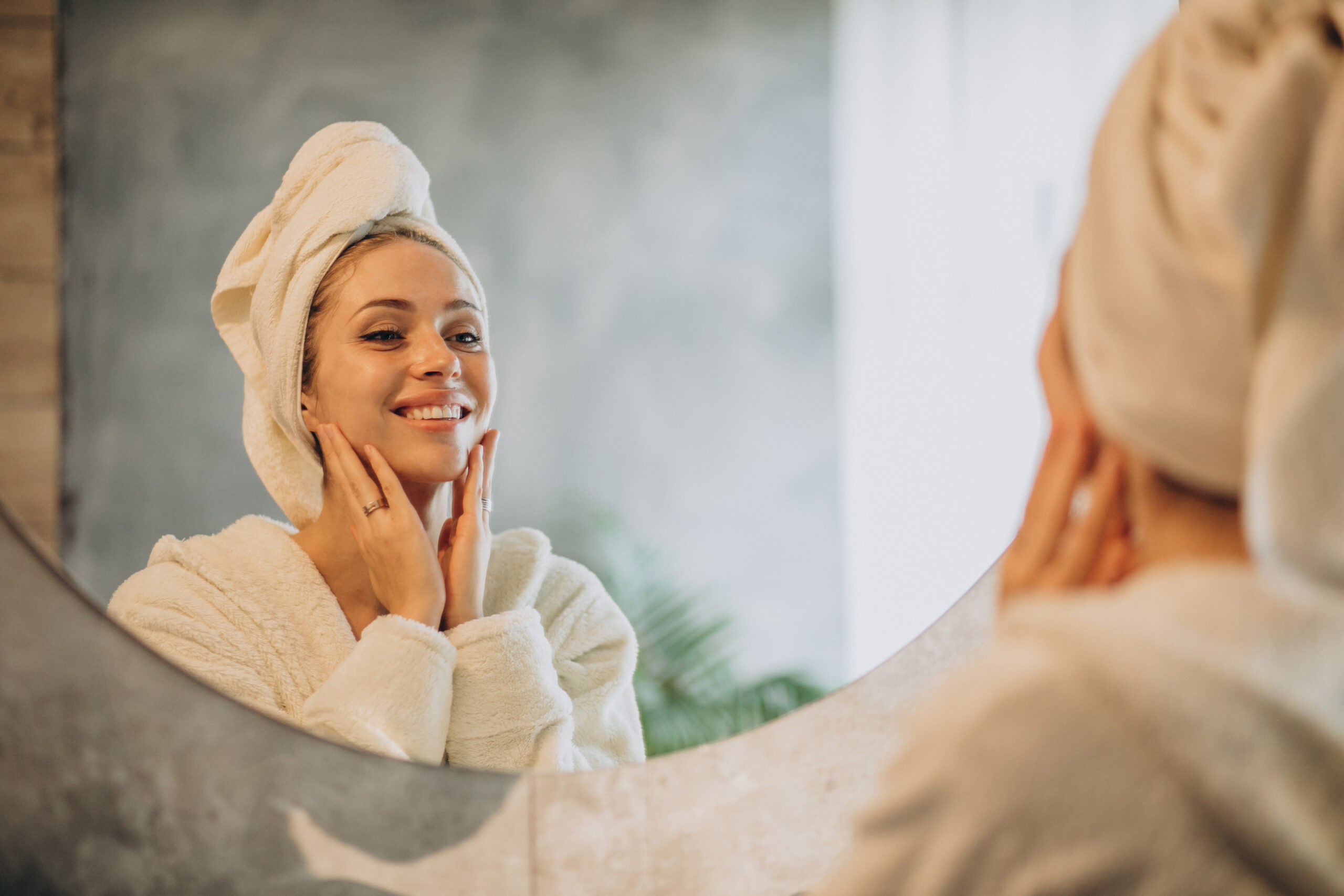
In ancient times, skincare was primarily about keeping the skin clear and healthy, but now it’s also about enjoying a good time. The cute skincare world has transformed the routine into a happy, colorful, and entirely unresistible everyday routine. Cute skincare has made bathroom shelves a work of art, since pastel packaging, mini-sized heart or fruit-shaped serums, etc. It goes beyond the appearance, but there is more than looks, since not all of these items are designed with a potent formula, but with actual results.
In the modern-day beauty sphere, skincare is less about appearance than it is about making one feel good. Cute skincare asks you to take a break, smile, and make your self-care routine more of a creative and comfortable moment.
The Culture of the Cute Skincare.
The cute trend in skincare traces its origins to the Asian beauty culture and especially South Korea and Japan, where aesthetics and self-care are usually inseparable. These cultures do not regard skincare as a simple need but see it as entertaining, expressive, and even something to collect. Imagine kawaii wrapping, creams in a shape of fruit, animal-print sheet masks, or a cleaner that is sold in soft and pastel bottles in the form of a cartoon face.
As Korean beauty, or K-beauty, started receiving the attention of the global audience, this feeling of lightheartedness that the beauty industry of the West had not fully adopted previously found its way into it. All of a sudden, skincare had ceased being a job or a luxury, but rather a type of art, self-expression and personal happiness. The brands began creating items that made individuals desire to show them instead of placing them in drawers.
Cute skincare turned into an Instagram movement, a TikTok aesthetic, something many people could use as a daily routine, and enjoy self-care instead of doing it quickly.
Why Cute Skincare Works
On the surface of the issue, cute skincare may appear as something focused on cute packages, entertaining scent, and bright color. There is more psychology behind it. Appearances make things attractive and as such we tend to use them regularly. It is so that adorable packaging can assist individuals in following a skincare routine.
That is because when you open your floor cabinet first thing in the morning, there is a smiling jar of moisturizers welcoming you or a peach-shaped cleanser greeting you. It is a little bit of delight in your day. Such a positive correlation makes skincare a routine that is new and soothing, and not mandatory. With time, the consistency contributes to the improvement of the skin and the spirit of self-care.
Moreover, most of the skincare brands that describe themselves as cute also invest as much effort in their formulations as they do in their design. The ingredients are subtle and effective; under the playful exteriors lie such effective ingredients as hyaluronic acid, green tea extract, and centella asiatica, which are meant to help soothe, moisturize, and protect even sensitive skin.
The Materials of the Adorable Packaging.
One may think that products with emphasis on aesthetics may have little substance in them, but agai,n that is not so. Numerous adorable skincare collections strike a balance between the appeal and science. Korean and Japanese brands are specifically popular in fermenting innovative ingredients with convenient designs.
Consider, e.g. jelly cleansers, which lather to soft clouds, or toners filled with actual flower petals. They are not only aesthetically appealing but also formulated to provide hydration, nutrition and provide a barricade. These formulations tend to use natural ingredients such as aloe vera, chamomile, and rice water due to their gentle and soothing nature that can suit all the types of skin, including sensitive ones.
Even the textures are carefully developed. Melted creams that become light gel, dew drop-like serums or cool and calming masks all make this an experience that is sensorial. Cute skincare is all about activating your sensory input of sight, touch, and, in some cases, scent in a manner that makes skincare a game and not an obligation.
Cute skincare shows that self-care does not necessarily have to be serious to work. It is a festival of happiness, innovation, and little things that can improve daily life. With adorable packaging to calming ingredients, it removes the fun out of skincare and puts the health of the skin first.
The Affective part of Cute Skincare.
Nowadays, with the stress levels and digital exhaustion, skincare is the therapy of many. Cute skincare augments that curative element by exploiting nostalgia and emotion. The fact that you have a small, pastel-colored bottle in your hand or put a mask with a smiling face on it is soothing. It teaches us not to care about everything too much, and even skincare.
Cute aesthetic may also allow individuals to be in touch with their inner child. It promotes the feeling of frivolity where we are reminded that beauty regimes can be engaging and playful. Cute skincare glorifies self-expression, softness, and fun rather than perfect or anti-aging.
This emotional attachment leads to the fact that people are more likely to be excited to have their daily routine of cleaning up after the day, using serum, and then giving their skin a moisturizer that makes them feel like a fairytale.
Final Thoughts
Cute skincare shows that self-care does not necessarily have to be serious to work. It is a festival of happiness, innovation, and little things that can improve daily life. With adorable packaging to calming ingredients, it removes the fun out of skincare and puts the health of the skin first.
You can be a newcomer to the skincare world or a long-time lover of this industry, and adding several adorable items to your routine is guaranteed to make your day feel lighter and remind you that beauty is not only about your appearance but also your mood. Anyway, skincare must not be merely a routine but a sort of a moment of joy that helps you to begin and end a day with a smile.